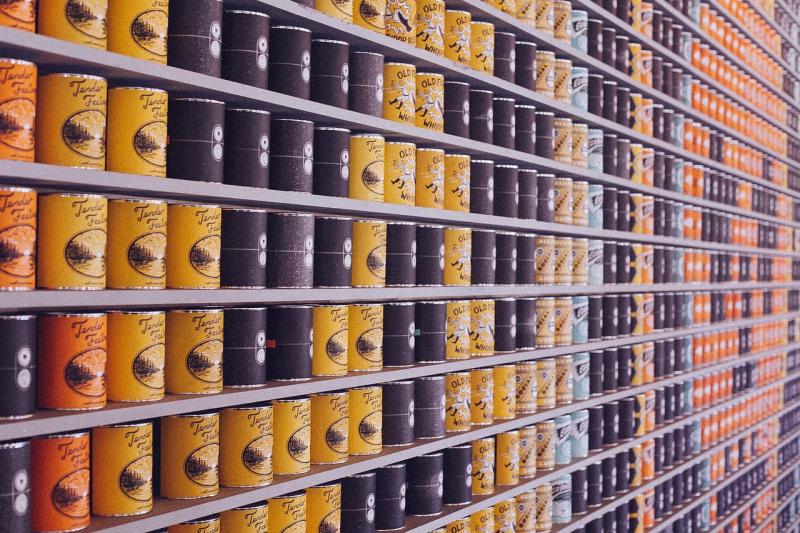
Quiet resilience in prepping is all about being prepared without drawing a lot of attention. It’s like flying under the radar while still having everything you need to handle whatever life throws your way. Instead of being loud and flashy with your preparations, quiet resilience focuses on subtlety and efficiency.
This approach emphasizes having the right supplies and skills tucked away. Think about essentials like food storage, water purification, and first-aid supplies. These are the backbone of preparedness, ensuring you can weather a storm, whether it’s a natural disaster or a sudden shift in circumstances. You want to be ready without broadcasting it to the world.
Quiet resilience also taps into the mindset of being adaptable and resourceful. It involves learning practical skills, like gardening, foraging, or basic repair work. These skills are valuable in times of need, helping you rely less on outside resources and more on what you can do yourself.
In prepper communities, the idea of quiet resilience resonates with those who prefer to keep their plans private. It’s about creating a safety net that’s effective yet discreet. Instead of stockpiling a mountain of supplies that might attract attention, focus on a well-thought-out strategy that keeps you ready while flying under the radar.
Key Principles of Preparedness
First, start with knowledge. Understanding the risks in your area—like natural disasters, economic downturns, or social unrest—helps you make smart choices about what supplies to gather. This knowledge is power. It allows you to tailor your prepping efforts to fit your unique situation, ensuring you’re prepared when it truly counts.
Next up is planning. Creating a solid plan for emergencies includes thinking ahead about food, water, shelter, and communication. How will you find food if stores are closed? Where will you go if you need to evacuate? Having clear answers to these questions gives you peace of mind and boosts your quiet resilience.
Finally, practice makes perfect. Stocking up on supplies is great, but you need to know how to use them. Spend some time learning survival skills, like first aid or fire-starting techniques. The more you practice, the more confident you will feel, and that confidence is key to effective prepping.
Building Your Quiet Resilience Mindset
To start, practice staying calm in everyday situations. Whether it's a small inconvenience or something more significant, learn to take a step back, breathe, and think through your options. This creates a habit of responding rather than reacting, which is a key part of preparedness. When emergencies happen, your ability to keep a cool head will be your best asset.
Another great tip is to regularly visualize potential scenarios you may face in prepping. Picture yourself dealing with various challenges—like power outages or food shortages—successfully. This mental rehearsal not only boosts your confidence but also helps you brainstorm practical solutions ahead of time. You’ll be surprised at how much this can prepare you for actual situations when they arise.
Surrounding yourself with like-minded people can also help cultivate a quiet resilience mindset. Join local groups or online forums focused on prepping. You can share ideas, learn new skills, and pick up strategies from others. Plus, knowing you're part of a community that values preparedness can really strengthen your resolve and help keep you motivated.
Practical Tips for Everyday Preparedness
Preparedness doesn’t have to be complicated. Making small, everyday changes can set you up for a more resilient life. Start by keeping a few essential items at home and in your car. A well-stocked first aid kit, a flashlight with extra batteries, and a multi-tool can make a big difference. These items not only help in emergencies but can assist in day-to-day challenges too.
Meal prepping is another great way to practice quiet resilience. Cook and package meals in advance so you’re ready for busy days. Store non-perishable food items like canned goods and dried beans for longer-term preparedness. They provide valuable nutrition without needing refrigeration. Plus, knowing you have food on hand reduces stress during uncertain times.
Don’t forget about your mind! Staying calm and collected is part of true preparedness. Practice mindfulness or meditation to keep your thoughts clear and focused. When things get tough, a cool head helps you make better decisions. Think of it as mental prepping, just as important as your food and gear.
Community matters too. Join local prepping groups or online forums. Sharing tips and learning from others can boost your confidence and resources. Plus, you’ll make connections, which are valuable when planning for emergencies or just needing a helping hand. Gathering knowledge from fellow preppers can strengthen your quiet resilience.